
STUDIO GUIDE
In-person sales for portrait photographers: a practical, no-pressure guide
In-person sales (IPS) means clients choose their images and products with you at a viewing appointment, rather than receiving an online gallery to order from alone. It works best when it starts before the session: a consultation about where the photos will live, a clear price list, and a session shot with those products in mind. At the viewing, show a small edited set, help clients narrow it down, show real samples, and make ordering simple. Done well, it feels like a service, not a sales pitch.
By the Allio team. Updated 22 October 2026.

Why studios use in-person sales
- Clients get help choosing. Picking 10 favourites from 60 images is hard alone and easy with guidance.
- Clients see real products. A framed print or album in the hand is easier to choose than a thumbnail.
- Fewer unfinished orders. An online gallery can sit unopened while life gets busy. A booked viewing gets decisions made.
- It can support a higher average sale, which lets you take fewer sessions. See the pricing guide.
It also takes more of your time per client, so it suits studios that want fewer, fuller sessions.
Step 1: tell clients how it works before they book
Clients should never be surprised by a viewing or by product prices. Explain it in your pricing guide and booking confirmation: the session fee covers the session, images and products are chosen at a viewing about two weeks later, and here’s where products start. Clients who know what to expect arrive relaxed.
Step 2: the consultation
A short call or meeting before the session sets everything up:
- Where will the photos live? Above the couch, in the hallway, in an album, as gifts?
- Who makes the decisions? Make sure they can both come to the viewing.
- What do they love, and what would they rather avoid?
- Ask them to send photos of their walls, with a rough measurement.
Use a client questionnaire to collect the basics first, so the call is about ideas, not admin.
Step 3: shoot for the products
If they want a large print above a long couch, shoot landscape frames with space around the family. If they want an album, shoot a story: arrival, details, play, close-ups. Planning the products first gives you a session that sells itself, because the images fit their home.
Step 4: book the viewing at the session
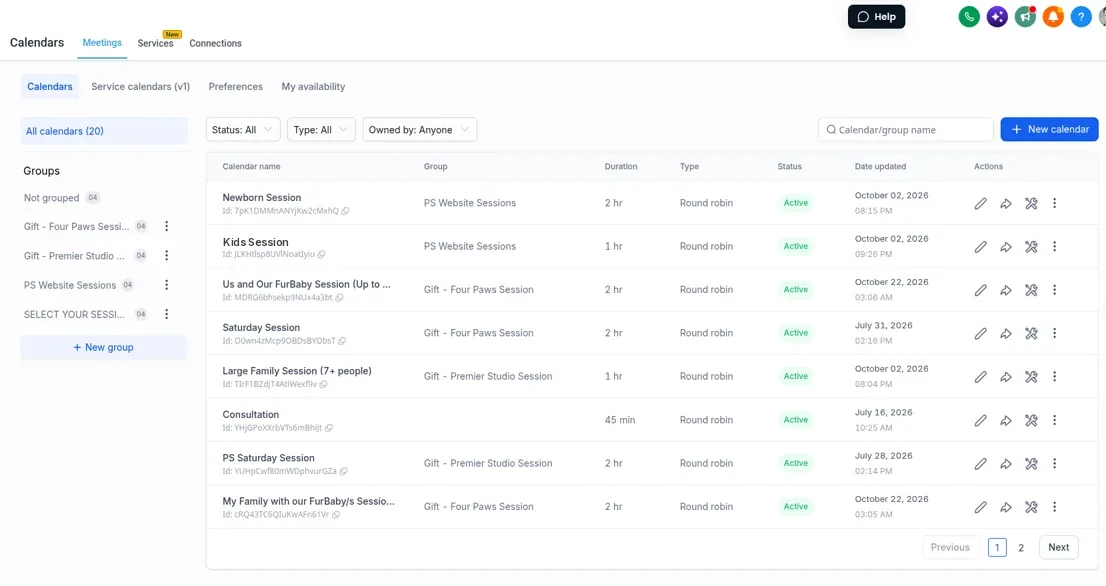
Book the viewing appointment before the client leaves the session, about one to three weeks out, when everyone who decides can attend. Send a reminder a few days before, with what to bring and how long it takes.
Step 5: run the viewing
- Start with a short slideshow of your best 20 to 40 images, with music. Let them enjoy it.
- Narrow it down together. Go through in groups, keep the “yes” pile, and help with near duplicates.
- Show images on their wall. Use their wall photo to show sizes in place.
- Hand them real samples: prints, frames and an album to hold.
- Talk through options, starting with what they told you they wanted.
- Summarise and confirm the order, with the total and payment options.
Aim for about an hour. If they need time, schedule a short follow-up rather than letting the decision drift.
Prepare before the viewing
- Cull and edit to your best 20 to 40 images, no near duplicates
- Build the slideshow and the wall previews from their photos
- Lay out samples in the sizes they mentioned
- Have the price list printed, clear and easy to read
- Re-read their questionnaire and consultation notes
- Plan for children: a quiet corner, a snack, or suggest a sitter
Preparation is what makes a viewing feel calm and personal rather than rushed.
Step 6: keep the product list short
Too many choices slow people down. Many studios offer a few wall sizes, one or two frame styles, one album and a set of digital images, plus packages that bundle them.
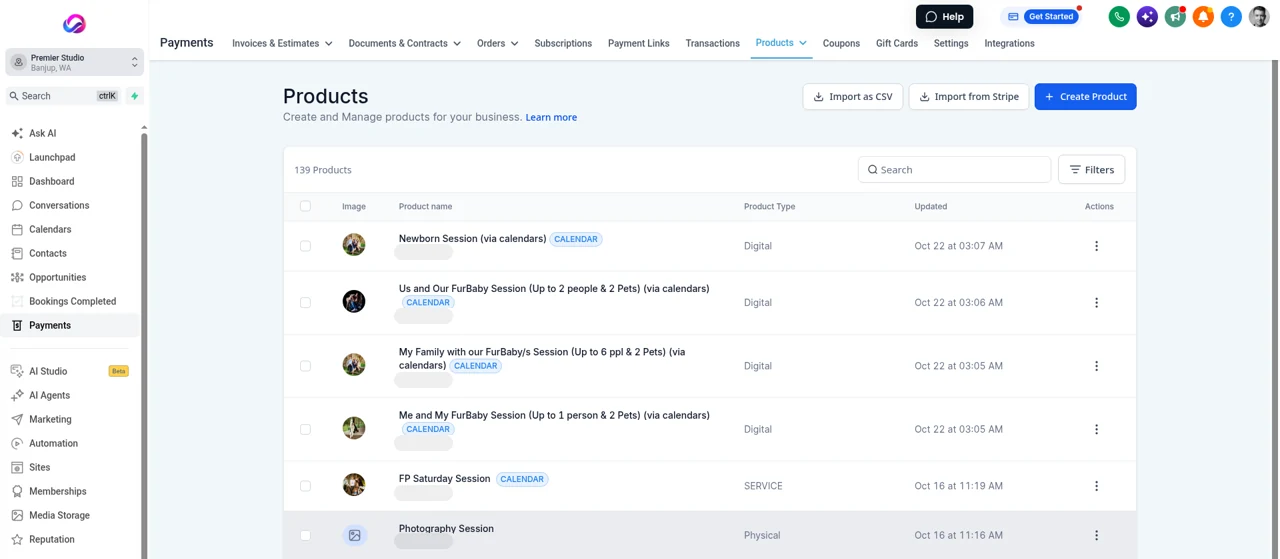
Worked example. The numbers are made up to show the method, not a suggested price. Use your own.
Collection A: 10 digital images and one 16 x 24 print. Collection B: 20 digital images, a framed 24 x 36 and a small album. Collection C: all images, an album and a wall set. Each collection is priced from the studio’s own costs, with B close to its average sale.
Selling without pressure
- Lead with what they told you they wanted
- Show prices clearly and early. No surprises at the end.
- Recommend, don’t push: “For that wall, the 30 inch looks right to me.”
- Accept “just the digital images” graciously
- Never rush a decision. Offer a follow-up instead.
Clients remember how the viewing felt. A kind, honest viewing earns referrals; a pressured one earns poor reviews.
Viewing in person or online
Some clients can’t come in. A video call with screen sharing works well: show the slideshow, use their wall photo for sizing, and post them a sample pack in advance if you can. Keep the same structure, with the same care.
Step 7: payment, ordering and delivery
- Take payment or a deposit on the order at the viewing, with a payment plan if you offer one
- Send a written order summary the same day
- Tell them when to expect each product, and update them if anything changes
- Deliver in person if you can, and ask for a photo of the print on the wall
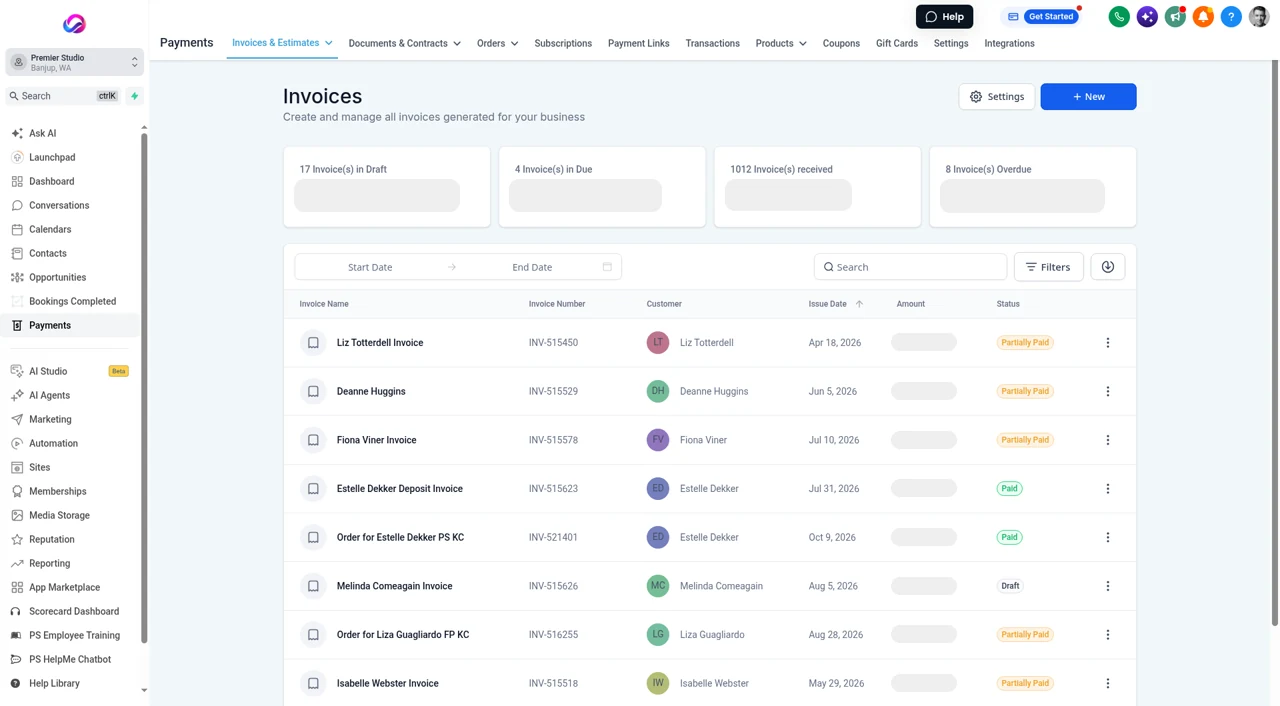
Where Allio fits: In Allio you can keep sessions and products in one list, book viewing appointments on their own calendar, send invoices and payment links from the client’s thread, and follow up with saved replies or AI drafted messages. See features.
After the order
A thank you message when products arrive, a review request a few days later, and a note in their record about what they bought and why. Next year, invite them back with an idea for the next wall or album page.
Making it work in each niche
- Newborn: parents are tired, so keep the viewing short, offer a home or video viewing, and suggest an album that grows with first birthday images.
- Family: wall groupings and yearly albums suit families who come back each season.
- Pet: owners often want one hero print and small prints as gifts.
- Kids: milestone sets and cake smash albums work well.
- Boudoir: view privately, often with an album or a small box of prints, and never show images where others could see them.
In-person sales questions
What is in-person sales in photography?
Clients choose their images and products with you at a viewing appointment, instead of ordering alone from an online gallery.
Do clients like in-person sales?
Many do, when it’s explained up front and run without pressure. They get help choosing and see real products. Some prefer online, so offer a video call option.
How long should a viewing appointment take?
About an hour is common. Offer a short follow-up if they need more time rather than rushing a decision.
How soon after the session should the viewing be?
Usually one to three weeks, while excitement is high. Book it at the end of the session.
Do I need in-person sales software?
You need a way to show images large, on their walls and side by side. Many studios use a dedicated viewing tool, plus a CRM to book viewings and take payments.
What if a client only wants digital images?
Respect it. Show the digital options clearly, mention one product that fits what they told you, and let them decide. A happy client who buys digital images may come back for prints later.
Book viewings and take payments in one place.
The trial is seven days, card required, and you can be in within minutes.
Want the story first? Read who built Allio and why, or see what a call about Allio covers.
$297 per month. Card required. AI and phone usage is billed at cost, on top of the $297.