
STUDIO GUIDE
Photography deposits and retainers: how to set them fairly
A deposit or retainer is a payment a client makes when they book, to secure the date and show they’re committed. Whether you can keep it if they cancel depends on your contract and the law where you work, not on what you call it. To set one fairly: base the amount on what a cancellation really costs you, explain it clearly before the client pays, say what happens when they reschedule or cancel, and collect it at booking so the session is only confirmed once it’s paid. Every number here is either sourced or a labelled worked example.
By the Allio team. Updated 22 October 2026.

Not legal or tax advice. This guide is general information for portrait studios. Rules on deposits, cancellations and consumer rights differ between countries and states. Have your policy and contract checked by a local lawyer, and ask your accountant how to treat deposits for tax.
Deposit or retainer: what’s the difference?
Photographers use the words loosely, and so do clients. In everyday use:
- A deposit is usually a part payment of the session price, taken off the final bill.
- A retainer is usually a fee to reserve your time for that date, which may or may not count towards the price.
The label doesn’t decide whether it’s refundable. What your contract says, whether the term is fair, and the consumer law where you work do. Pick one word, use it consistently, and explain it in plain language.
Why take one
- It protects the date. Weekend slots, mini session spots and newborn windows are limited.
- It covers real costs if a client cancels late, such as preparation, props or a cake you can’t reuse.
- It reduces no-shows. A client who has paid something is more likely to turn up or reschedule properly.
- It confirms commitment. It turns “maybe” into a booking.
How much to ask
Base it on what a late cancellation really costs you: the time you’ve spent, costs you can’t get back, and the chance of filling the slot again. Keep it proportionate. A deposit that’s far larger than your likely loss can look like a penalty.
In Victoria, Australia, Consumer Affairs Victoria’s guidance for tourism businesses says a fair deposit is generally no more than 10 per cent of the total, unless the likely loss or inconvenience justifies more, and that larger amounts may be treated as prepayments. That guidance is written for tourism businesses, not photographers, and isn’t a national rule, but its test, a deposit should reflect your likely loss, is a sensible one for studios too. In the US, the rules vary by state.
Worked example. The numbers are made up to show the method, not a suggested price. Use your own.
A family session is $800. If a client cancels a week out, the studio loses about an hour of planning (valued at $40) and an assistant’s fee it can’t cancel ($40), and may rebook the slot, but can’t count on it. A deposit of $80, credited to the session fee, is 10 per cent of the total and covers what a late cancellation costs if the slot stays empty.
Write a clear policy
Put it in your booking terms or contract, show it before the client pays, and repeat the key points in the confirmation message.
Sample policy. Not legal advice: have it checked for where you work.
“A booking fee of [amount] secures your session date. It is part of your session fee and is taken off your final invoice. If you need to reschedule, let us know at least [number] days before your session and we’ll move your booking fee to a new date within [number] months. If you cancel with less than [number] days’ notice, we may keep the booking fee to cover our costs of preparing for your session and holding the date. If we need to cancel or reschedule, you can choose a new date or a full refund of your booking fee.”
See our photography contract template for where this sits in a full session agreement.
Rescheduling, and the situations to plan for
- Newborn arrives early or late. Expected, so build it in: move the session without fuss.
- Illness. A sick child or pet is a reason to reschedule, not a cancellation. Say so in your policy.
- Weather for outdoor sessions: who decides, and when?
- The client changes their mind. This is where your cancellation term applies.
- You cancel. Offer a new date or a full refund.
Being generous with reschedules usually costs little and earns goodwill. It’s the late, unrebookable cancellation that a deposit is really for.
Collect it at booking
- Send an invoice or payment link the moment the client chooses a date
- Only confirm the session once the deposit is paid, and say so
- Send a reminder if it isn’t paid within a set time, then release the date
- Show the deposit on the final invoice, so the client sees it was credited
- Set the balance due date, such as before the session or at the viewing
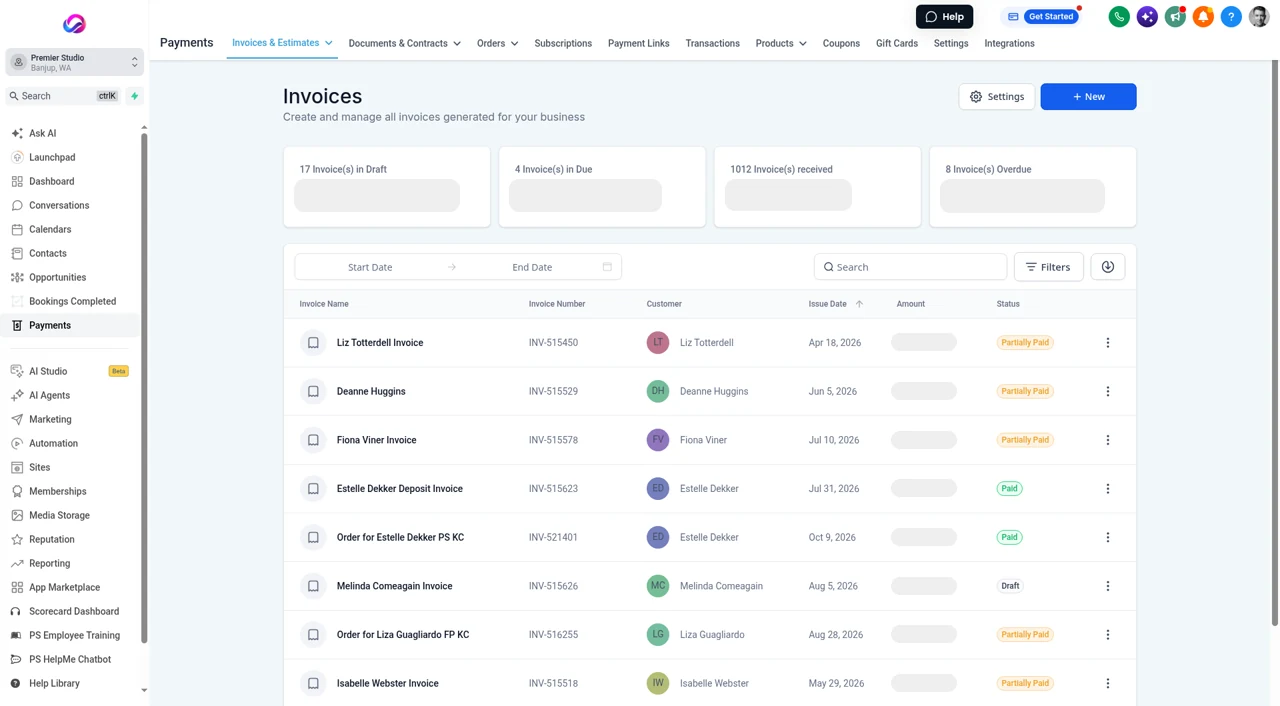
Mini sessions and deposits
Mini sessions are short and tightly scheduled, so many studios take the full session fee at booking rather than a deposit. If you do, say clearly what happens if a client can’t make it: can they move to another slot that day, transfer the spot to a friend, or move to the next mini session? A simple, generous rule here avoids most disputes.
Talking about it with clients
Explain it as protecting their date, not as a penalty:
Fictional example. Replace the [brackets] with your own details.
“To lock in Saturday the 7th, there’s a [amount] booking fee, which comes off your session fee. If anything comes up, just let me know [number] days ahead and we’ll move it to a new date.”
Clear, friendly wording up front means fewer disputes later.
Keep records
Keep the signed agreement, the invoice, the payment and any messages about rescheduling on the client’s record. If a question comes up months later, you’ll find the answer in seconds. For tax, ask your accountant when deposits count as income and how to show them in your books.
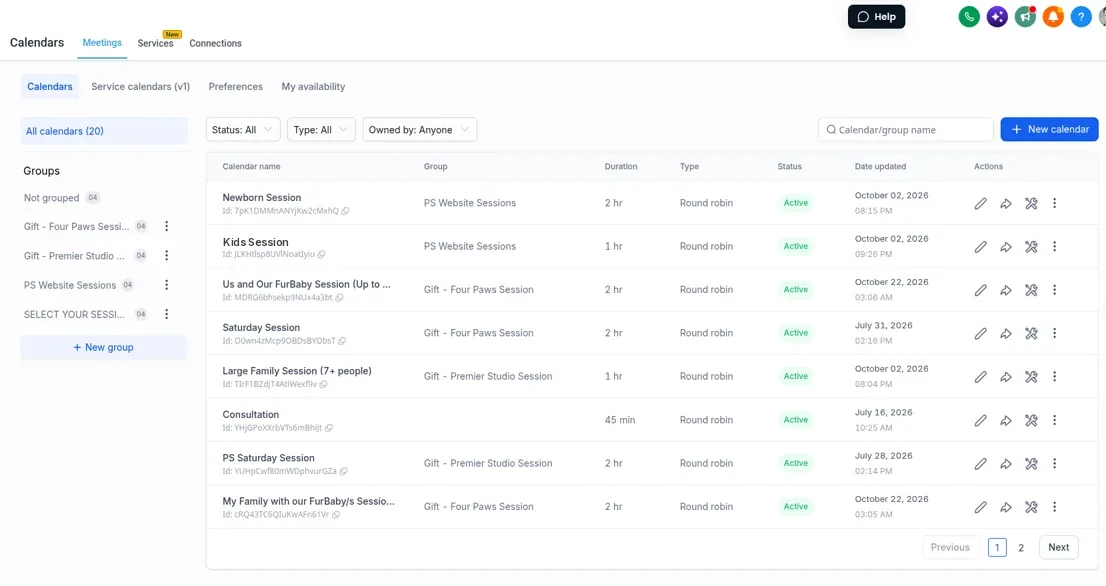
Where Allio fits: In Allio you can link a session to its booking calendar, send an invoice or payment link from the client’s thread, and keep the signed agreement, payments and messages on one record. See features and pricing.
Deposit and retainer questions
What is the difference between a photography deposit and a retainer?
In everyday use, a deposit is a part payment off the session price, and a retainer is a fee to reserve your date. Whether either is refundable depends on your contract and local law, not the label.
Are photography deposits refundable?
It depends on your terms, the reason for cancelling and the law where you work. If you cancel, refund it or offer a new date. Calling a deposit “non-refundable” doesn’t make it so in every case.
How much should a photography deposit be?
Base it on what a late cancellation really costs you, and keep it proportionate. There is no single legal figure for photographers. One reference point: Consumer Affairs Victoria’s guidance for tourism businesses says a fair deposit is generally no more than 10 per cent unless the likely loss justifies more. Check the rules where you work.
Should the deposit come off the final price?
Most studios credit it to the session fee, which clients find fair and easy to understand. Say clearly which approach you use.
Is this legal or tax advice?
No. It’s general information. Have your policy checked by a local lawyer and ask your accountant about tax.
Can I charge the full fee upfront for mini sessions?
Many studios do, because mini session slots are short and limited. Explain clearly what happens if the client can’t attend, such as moving to another slot or transferring the spot.
Sources
- Consumer Affairs Victoria, When customers cancel: guidance for tourism businesses (deposits, prepayments, cancellation fees): consumer.vic.gov.au/consumers-and-businesses/products-and-services/business-practices/contracts/guidance-for-tourism-businesses
- ACCC, Contracts and unfair contract terms: accc.gov.au/business/selling-products-and-services/contracts
Checked 22 October 2026.
Take the deposit the moment they book.
The trial is seven days, card required, and you can be in within minutes.
Want the story first? Read who built Allio and why, or see what a call about Allio covers.
$297 per month. Card required. AI and phone usage is billed at cost, on top of the $297.