
STUDIO GUIDE
How to start a portrait photography business, step by step
To start a portrait photography business, choose the sessions you want to be known for, set the business up properly (structure, registration, tax and insurance), work out prices from your real costs, put a contract and a booking process in place, then find your first clients through people you know, your Google Business Profile and a well-run mini session. This guide walks through each step for family, newborn, pet, kids and boudoir photographers.
By the Allio team. Updated 22 October 2026.

1. Choose what you want to be known for
“Portrait photographer” is too broad for a client to remember. Pick one or two kinds of session to lead with, and let the rest follow. Each has its own rhythm:
- Family: seasonal peaks around autumn and the holidays, outdoor locations, larger groups, and mini sessions that fill quickly.
- Newborn: bookings made months ahead around a due date, sessions in the first weeks, and safety first. Learn safe newborn posing from a reputable trainer before you photograph babies.
- Pet: owners who enquire by DM, patience and treats, and a lot of outdoor work.
- Kids: cake smash, milestone and sibling sessions, short attention spans and morning times.
- Boudoir: a private, consultation-led booking process, a calm tone and careful image security.
Your choice shapes everything after it: the space you need, what you charge, where you advertise and what your website says.
2. Set up the business properly
The rules depend on where you live, so treat this as a checklist to take to an accountant, not as advice.
- Business structure. Most people start as a sole proprietor (US) or sole trader (Australia), and some form an LLC or a company. The choice affects tax and personal liability.
- Registration and tax numbers. In the US, you may need to register your business name with your state and get an EIN from the IRS. In Australia, apply for an ABN, register your business name if you trade under a name other than your own, and register for GST once your turnover reaches the threshold.
- Local permits. Check whether your city or council needs a licence or permit, especially if clients will visit a studio in your home.
- Sales tax. In the US, prints and products are often taxable, and the rules vary by state.
- A separate bank account. Keep business money apart from day one. It makes tax time, and knowing whether you are making money, much easier.
3. Get insured
Talk to a broker about three kinds of cover: public or general liability (a client trips over a light stand), equipment (cameras stolen or dropped, including away from home), and professional indemnity (a client says your work caused them a loss). Tell the broker exactly what you photograph. Newborn work and shooting in clients’ homes are worth mentioning by name.
4. Work out your prices from your costs
Don’t copy the photographer down the road. Their costs, hours and sales model aren’t yours. Start from your own numbers instead:
- Add up a year of business costs: equipment, software, insurance, rent, advertising, accounting, products and tax.
- Add what you need to pay yourself for the year.
- Estimate how many sessions you can really do, allowing for editing, admin, sales and quiet months.
- Divide the first two by the third. That’s what each session needs to bring in on average.
Then choose how you’ll earn it: a session fee with images included, or a smaller session fee plus products sold at a viewing session. Count the time each one takes, including the hours of editing and the viewing appointment, before you decide.
5. Put a contract in place before the first booking
A clear agreement covers the session, payments, rescheduling, delivery, copyright and how you may use the images. It protects both of you and saves awkward conversations later. Our photography contract template lists the clauses to include, with a starting template to have checked by a local lawyer.
For kids and newborn work, a parent or guardian signs. For boudoir, add a privacy clause and get written permission before any image is shared.
6. Build a booking process clients can follow
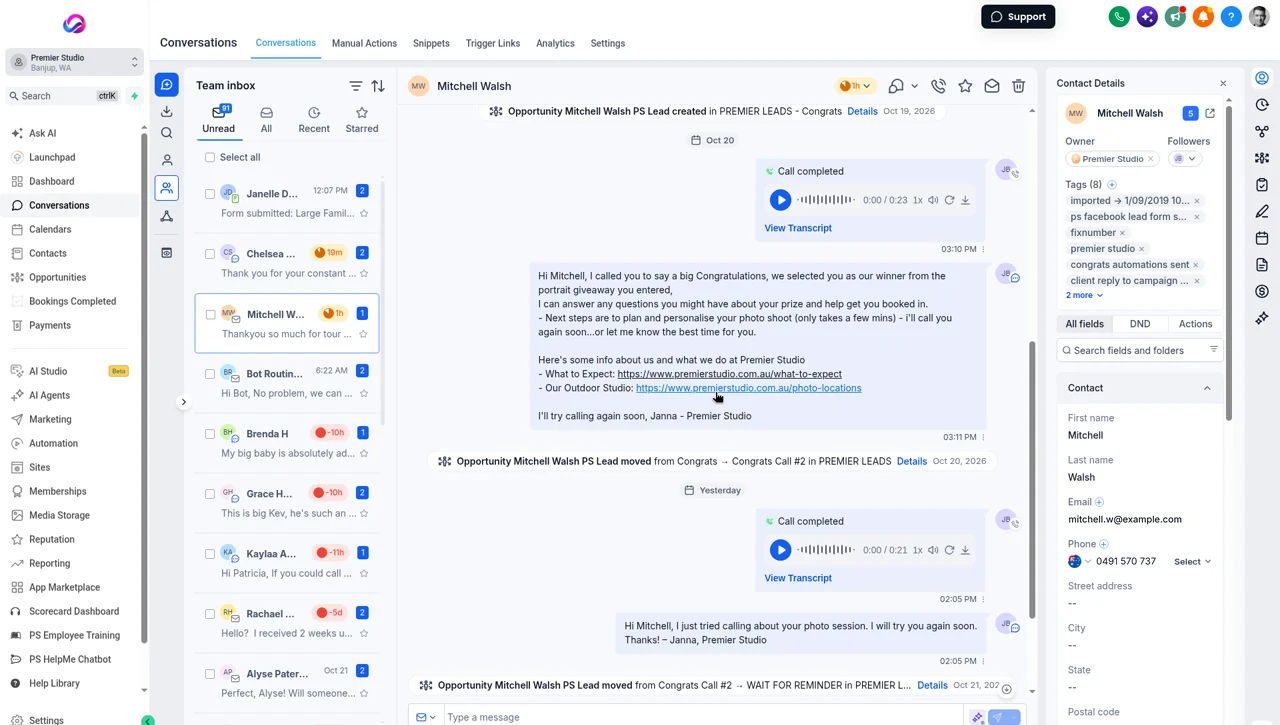
Clients will reach you by phone, text, Instagram, Facebook and email, often in the evening. Decide now how each enquiry gets answered, how a session gets booked and how the deposit gets paid, so nothing depends on your memory:
- One business phone number for calls and texts, not your personal mobile
- A booking calendar for each session type, with its own length and buffer
- A booking fee or deposit to hold the date
- Reminders before the session and the viewing
- Every conversation with a client kept in one place
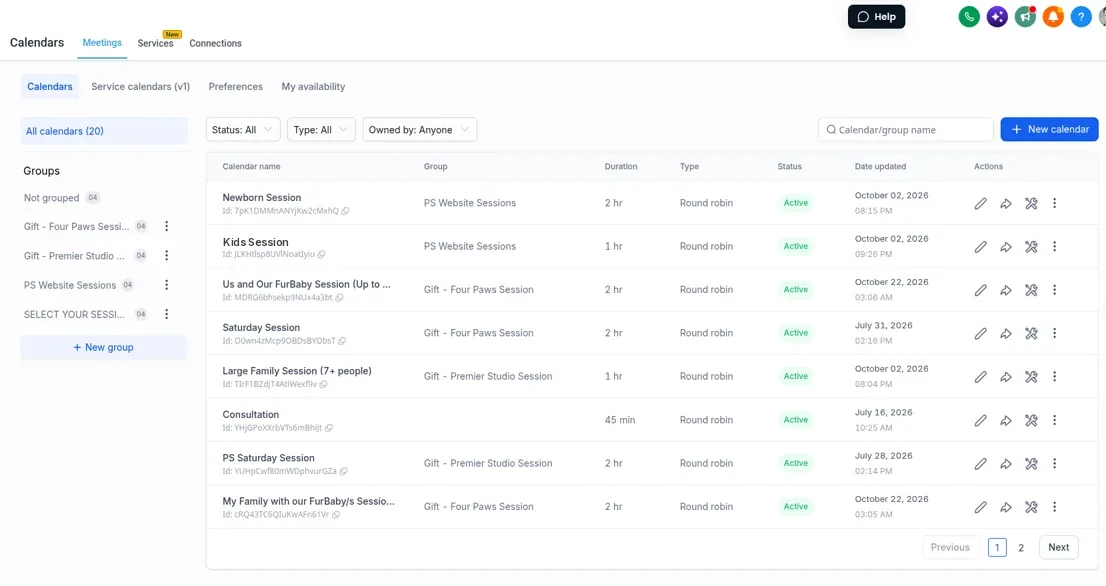
Where Allio fits: Allio keeps every call, text, DM and email on one thread per client, with calendars, invoices and reminders in the same place. See features and pricing.
7. Find your first clients
- People you know. Offer a handful of portfolio sessions to friends and family, with written permission to use the images on your website and social media.
- Your Google Business Profile. Set it up and verify it, so you appear when local parents search. Then ask every client for a review. See how to get more Google reviews.
- A mini session. A short, themed session at a set price is the easiest first offer to share. See our mini sessions guide.
- Local partners. Baby and toddler groups, pet groomers, cafes and children’s shops, depending on your niche.
- Referrals. Ask happy clients to pass your name on.
8. Answer every enquiry quickly
A parent who messages three photographers often books whoever replies first with a clear answer and a time. Reply to every enquiry the same day, ideally within the hour. Answer the question, suggest a time and make booking easy.
If you shoot all day, that is hard to do alone. Set up a text back for missed calls, saved replies for common questions, and decide who answers when you can’t.
Where Allio fits: Allio’s AI can answer enquiries by text and DM, pick up the studio phone and book the session, with you approving each reply until you trust it.
9. Keep the books from day one
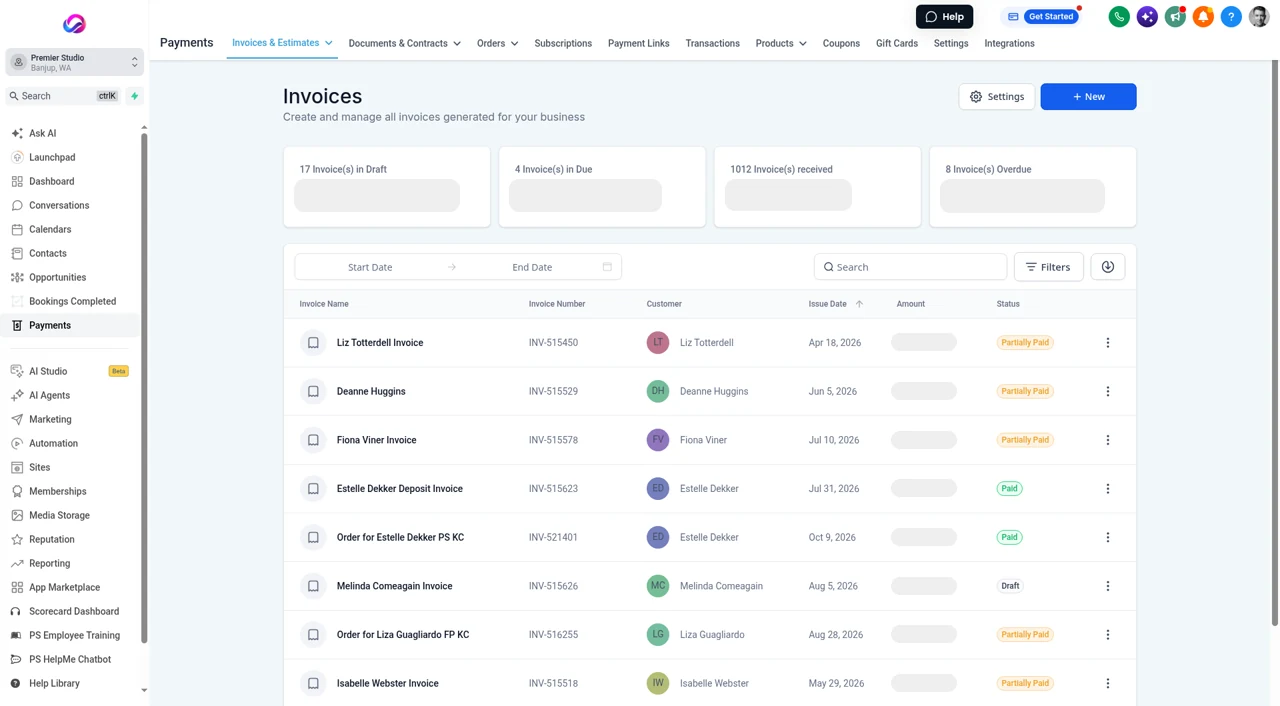
Send invoices from one system, record what each session earned, and look at it each month: which session types make money, where your clients came from, and which months are quiet. Plan your mini sessions and marketing for those quiet months.
A one-page checklist
- Niche and session types chosen
- Business structure decided with an accountant
- Business name, tax numbers and any local permits sorted
- Business bank account open
- Insurance in place
- Prices worked out from your costs
- Contract checked by a lawyer
- Business phone number, booking calendars and deposits set up
- Google Business Profile verified
- First portfolio sessions booked
Starting a photography business: questions
How do I start a photography business with no experience?
Practise first. Photograph friends and family for your portfolio, with their written permission to use the images, and learn the specific skills your niche needs, such as safe newborn posing. Start taking paid bookings once your portfolio shows the work you want to be hired for.
Do I need a business licence to be a photographer?
It depends on where you live. Some US cities and states need a business licence or a home occupation permit, and Australian councils may have rules for a home studio. Check with your city or council and an accountant.
Do I need a studio to start?
No. Many portrait photographers start with outdoor locations or by photographing in clients’ homes, and hire a studio by the hour when they need one. Newborn work is easier with a warm, controlled space.
How much should I charge for portrait sessions?
Work it out from your costs: a year of business costs plus the income you need, divided by the sessions you can realistically do. That gives the average each session needs to bring in.
What insurance does a photographer need?
Usually public or general liability, equipment cover and professional indemnity. Ask a broker, and tell them exactly what you photograph and where.
What software does a new photography business need?
At the start: a way to book sessions, take deposits, send contracts and invoices, and keep every client conversation in one place. Our best CRM for photographers guide compares the main options.
Sources
- US Small Business Administration, 10 steps to start your business: sba.gov/business-guide/10-steps-start-your-business
- US Small Business Administration, get business insurance: sba.gov/business-guide/launch-your-business/get-business-insurance
- IRS, apply for an EIN online: irs.gov/businesses/small-businesses-self-employed/apply-for-an-employer-identification-number-ein-online
- business.gov.au, starting a business guide: business.gov.au/guide/starting
- business.gov.au, types of business insurance: business.gov.au/risk-management/insurance/types-of-business-insurance
Checked 22 October 2026.
Run the studio from one place.
The trial is seven days, card required, and you can be in within minutes.
Want the story first? Read who built Allio and why, or see what a call about Allio covers.
$297 per month. Card required. AI and phone usage is billed at cost, on top of the $297.